Your Guide to Building a Stylish Watch Collection
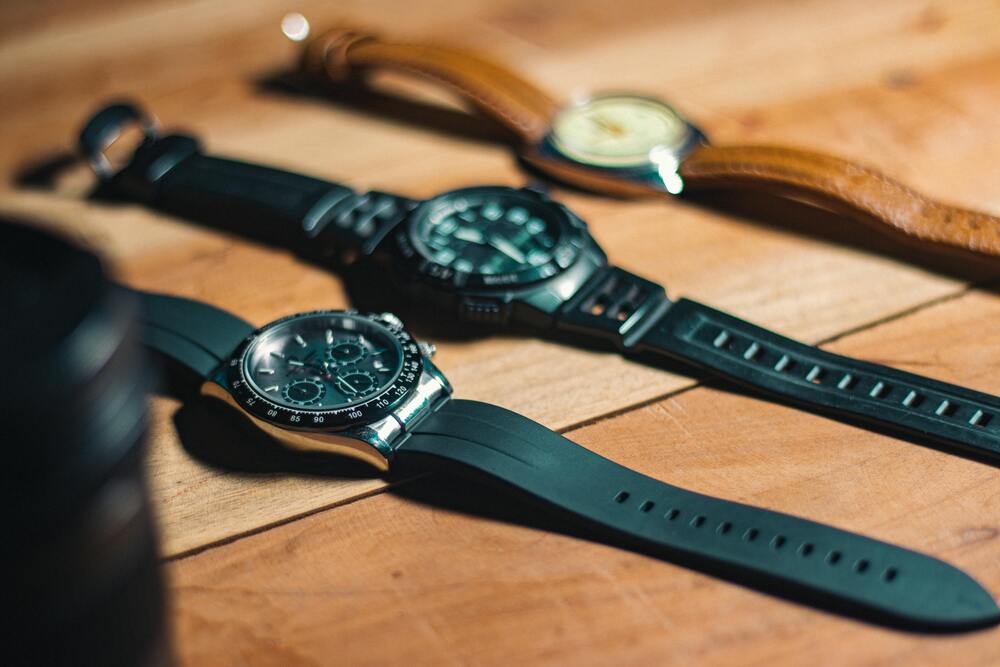
You don’t need a drawer full of luxury pieces to build a stylish watch collection—you need a clear idea of your taste, a few timeless staples, and a smart plan for adding variety over time. When you understand which designs suit your lifestyle, you can mix classics, modern hybrids, and bold statements without wasting money. The difference between a random assortment and a refined collection comes down to a few key choices you’re about to explore.
Define Your Style Before Your First Collection Watch
Before purchasing your first watch as part of a collection, it's useful to define your personal style so each piece you add is consistent with your preferences and everyday use. Start by identifying whether you're more inclined toward minimalist, pilot, dress, or other design categories, and write this down as a basic reference for future decisions.
Once you have this framework, you can evaluate each potential watch, whether a Rolex Datejust 41 mm, a Tudor Monarch 39 mm, or other models, against that defined style. This approach encourages more deliberate choices and can help reduce impulse purchases, since each watch must serve a clear role in your collection. Over time, using a consistent style guideline can lead to a more cohesive collection and a higher likelihood that you'll regularly wear and appreciate the watches you own.
Know the Classic Watches Every Collection Needs
How do you translate a personal style framework into a watch collection that remains relevant over time? One approach is to focus on established designs across key categories.
For a versatile everyday piece, the Rolex Datejust 41 in white Rolesor combines a green ombré dial with the in-house Calibre 3235 movement and 100 m of water resistance, making it suitable for both daily wear and more formal settings.
In the sportier segment, the TAG Heuer Carrera Day-Date 41 offers an 80-hour power reserve and a blue sunray dial, balancing legibility with a contemporary design rooted in motorsport heritage.
To introduce more distinct character, the IWC Pilot’s Watch TOP GUN Mojave Desert in 41 mm uses a desert-toned ceramic case that reflects IWC’s aviation lineage while offering scratch resistance.
For dress occasions, Frederique Constant’s Classics Carrée Moonphase provides a rectangular case and a moonphase complication, referencing traditional dress-watch proportions and classical dial layouts.
For collectors looking to explore more accessible mechanical options alongside luxury pieces, Orient watches often serve as a practical reference point for entry-level horology.
Many enthusiasts appreciate them for their in-house movements and straightforward designs, which contrast with higher-end Swiss offerings while still maintaining solid everyday reliability.
More details and model variety can be explored here: https://julliany.com/marki/chasovnici/orient.
Plan a Versatile Watch Collection on Your Budget
Even with a limited budget, you can build a versatile watch collection by approaching it as a gradual, long-term project rather than making unplanned purchases. A practical first step is to buy one reliable, everyday watch—often an automatic—from brands known for value and durability at lower price points, such as Seiko or Hamilton. Models like the Seiko 5 Sports or the Hamilton Khaki Field are commonly cited as entry-level options in the roughly $300–$600 range and can cover most day-to-day situations.
It is useful to set a clear maximum budget per watch and to allocate funds for ongoing costs, including servicing, replacement straps, and potential repairs. This helps prevent overspending on the watch itself while neglecting necessary maintenance, which can be significant over the long term.
When the budget is constrained, it's generally more efficient to prioritise versatile, “all-rounder” watches that work in a range of settings (casual, office, and semi-formal) rather than highly specialised pieces. For many buyers this means simple, time-and-date models with moderate case sizes, neutral dial colours, and good legibility.
Higher-priced examples often mentioned in discussions of versatile watches include pieces like the Rolex Datejust or modern Tudor models, but these aren't budget-friendly for most new collectors and are better viewed as long-term goals rather than early purchases. In any price tier, it's advisable to look for robust, well-regarded movements—whether in-house or from established suppliers such as ETA or Sellita—because they can improve serviceability and long-term reliability.
Finally, monitoring authorised dealer discounts and the pre-owned market can help you stay within budget. Checking recent transaction data on reputable platforms allows you to gauge fair market value, identify models that hold their price relatively well, and time purchases more effectively.
Add Modern, Hybrid, and Statement Watches
Once you have established a core, versatile lineup within your budget, you can incorporate modern, hybrid, and statement watches to expand functionality and express individual preferences.
Modern watches typically emphasize minimalist design: slim cases, monochrome or restrained dials, and simple markers. These features allow the watch to fit comfortably under a shirt cuff while remaining visually distinct enough for professional or casual settings.
Hybrid watches combine analog displays with integrated digital technology. Common features include step counting, sleep tracking, and discreet notifications delivered through vibrations or subtle dial indicators. Because many hybrids allow customization of dials, straps, and alert settings, they can be adjusted to suit different routines, such as office work, exercise, or travel, without drawing as much attention as a full smartwatch.
Statement watches focus primarily on visual impact. This can involve larger case sizes, unconventional dial layouts, bold colors, or distinctive materials. While they may not be as versatile as more understated pieces, they can function as focal points in an outfit and are often used selectively for social events or occasions where a more striking accessory is appropriate.
Care For and Grow Your Watch Collection
As your collection grows, proper care helps each watch run reliably and maintain its value. Mechanical watches generally benefit from servicing every 5–7 years, depending on the manufacturer’s recommendations and how frequently they're worn. Regular servicing supports accuracy and helps prevent wear-related damage to the movement.
Between services, store watches in dedicated boxes, rolls, or a safe to reduce exposure to moisture, dust, magnetism, and physical shocks. This also helps prevent cosmetic damage such as scratches.
Insurance can be useful if you own higher-value pieces. Standard homeowners or renters policies often limit coverage for watches to around $1,500–$2,500 unless you add scheduled coverage or a rider. Specialty providers such as Hodinkee Insurance or Jewelers Mutual offer policies tailored to watches, which may provide broader coverage, including theft, loss, and damage, depending on the policy.
Keeping the complete “full set” for each watch—original box, warranty card or papers, manuals, and accessories such as hang tags—typically improves resale appeal and can result in higher secondary-market prices compared to watches sold without these items.
Conclusion
As you build your watch collection, let your personal style lead every choice. Start with timeless classics, then layer in versatile pieces that fit your budget and lifestyle. Add modern, hybrid, and bold statement watches to keep things fresh and expressive. Protect your investment with proper care, servicing, and insurance so each watch lasts. Over time, you won’t just own watches—you’ll curate a collection that tells your story every day.
